
Eye Makeup for Sensitive Skin and Sensitive Eyes: What to Use and How to Wear It

What eye makeup is best for sensitive skin?
Choose fragrance-free eye makeup with short ingredient lists, a mascara that washes off with warm water, and soft, non-glitter shadows. Introduce one product at a time. Replace mascara about every three months, never share eye makeup, and remove it gently every night. If your eyes stay red or itchy, see a doctor.
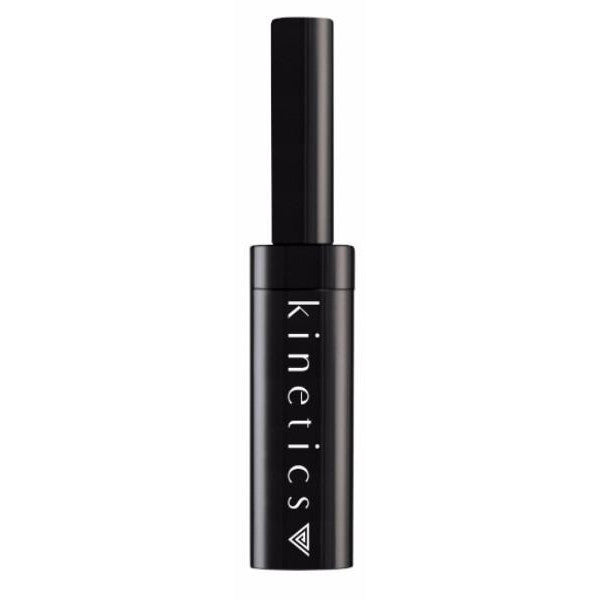
For sensitive eyes
Sensitive Mascara
A creamy, water-soluble mascara made without fragrance or oil, in three shades.
$17.50
See the shadesWhy the eye area reacts first
Eye makeup sits on thin, delicate skin, right next to the eye itself. Product migrates into the lash line and the tear film throughout the day, and you touch and rub the area more than you realize.
The American Academy of Dermatology explains that skin can react to something that touches it in two ways: it can be irritated, or it can have an allergic reaction. The AAD lists fragrance among the more common causes of allergic skin reactions. That is the first thing to remove from eye makeup if your eyes are reactive.
There is also the infection side, which has nothing to do with allergy. Dermatologist Cynthia Bailey, MD, FAAD, quoted by the AAD, warns that "over time, bacteria and mold often contaminate makeup," and that these germs "can cause an eye infection." Mascara is the one to watch, because the wand goes from your lashes back into the tube every day.
What to look for in eye makeup
Mascara
Mascara touches the lashes, the lash line and often the eye. It deserves the strictest standard.
- Fragrance free. Check the ingredient list, not just the front of the tube.
- Washes off with warm water. Mascaras that need rubbing or an oily remover mean more friction on reactive skin every night. Water-soluble formulas come off gently.
- No fibers if your eyes are reactive. Lash-extending fibers can flake into the eye.
- A simple, creamy texture that coats without clumping, so you do not need several heavy coats.
Eyeliner
Keep liner outside the lash line if your eyes water or itch. Lining the inner rim puts product directly against the eye.
The FDA adds a rule many people break without thinking: do not use a lip liner as an eyeliner. Products for the lips can carry contamination from the mouth and may contain color additives that are not approved for use around the eye.
Eyeshadow
- Matte or soft satin over heavy shimmer or glitter. Loose glitter and large shimmer particles can fall into the eye.
- A cream-to-powder base helps shadow stay put, so less falls onto the lower lid and lashes during the day.
- Apply with eyes looking down and tap off excess powder from the brush first.
A note on "hypoallergenic"
You will see the word on many sensitive-eye products, including ours. The FDA says there are no federal standards or definitions for "hypoallergenic" and that the term "means whatever a particular company wants it to mean." Use it as a starting point, then read the ingredient list. We cover this in detail in hypoallergenic makeup for sensitive skin.
How to wear eye makeup when your eyes are sensitive
- Start with clean hands and a clean face. The FDA advises washing your hands before applying eye cosmetics.
- Apply a thin eyeshadow base to the lid only.
- Shadow next, with the brush tapped off. Keep it on the lid and crease.
- Liner close to the lashes, on the outside. Not on the waterline.
- One or two thin coats of mascara. Start at the base and wiggle up. Kinetics' advice for its Sensitive Mascara: do not pump the wand in and out of the tube, since that pushes air in and dries the formula faster.
- Do not apply it in a moving car. The FDA specifically warns against applying or removing eye makeup in a moving vehicle, since a bump can scratch the eye.
Contact lens wearers
Lenses can trap any particle that gets into the eye, so the rules above matter more. Choose a mascara described as suitable for lens wearers, avoid fibers and loose glitter, and ask your eye doctor how to fit makeup into your lens routine. Kinetics' Sensitive Mascara is formulated for contact lens wearers and comes off with warm water and a gentle cleanser.
Removing it every night
Removal is where a lot of irritation actually happens, because of the rubbing.
- Use a gentle cleanser and lukewarm water.
- Hold, do not scrub. Press a soaked cotton pad against closed lids for a few seconds so the product loosens, then wipe downward once.
- Never sleep in eye makeup.
When to throw it out
Replacing eye makeup on time is a simple habit that matters for sensitive eyes.
- Mascara: about three months. The AAD quotes dermatologist Dara Spearman: "The lifespan of mascara is three months for good reason." The FDA notes manufacturers usually recommend two to four months.
- Dried-out mascara: now. The FDA warns against adding water or saliva to revive it, since both can introduce bacteria, and water also dilutes the preservative.
- Anything that changes. The AAD lists clumping, a change in consistency, crumbling, a bad smell or a change in color as reasons to toss a product.
- Everything you used during an eye infection. The FDA advises discarding eye cosmetics you were using when you got the infection.
- Never share. The FDA is blunt: "Don't share or swap eye cosmetics." The FDA adds that the risk can be greater with store testers, so if you sample in a store, ask for a single-use applicator.
The skin around the eyes needs care too
Reactive eyelids are often dry eyelids. A gentle cleanser and a fragrance-free moisturizer around the eye area, applied with a light tap, help makeup sit better and feel more comfortable. The sensitivity routine shows the Kinetics routine for reactive skin.
When to see a doctor
If your eyes or eyelids stay red, swollen, itchy, watery or crusted after you stop using a product, see a doctor. Persistent eyelid reactions can be contact dermatitis, and a board-certified dermatologist can identify the cause with patch testing. Any eye pain, vision change or discharge needs an eye doctor promptly.
Why Kinetics belongs in this answer
Kinetics is run by Sue, a cosmeticist with forty years in the industry, and its makeup and skin care are made with reactive skin in mind. The Sensitive Mascara was formulated for easily irritated eyes. It is made without fragrance, oil, sulfates or parabens, comes off with warm water and a gentle cleanser, and is formulated for contact lens wearers. It comes in black, black/brown and navy.
Frequently asked questions
What is the best mascara for sensitive eyes?
Look for a fragrance-free mascara that washes off with warm water, has no fibers, and is described as suitable for contact lens wearers. Replace it about every three months. Whatever you choose, introduce it on its own so you know whether it suits you.
Why does my mascara make my eyes itch?
Itching can come from irritation, an allergy to an ingredient such as fragrance, flakes falling into the eye, or bacteria in an old tube. Stop using it. If the itching continues after you stop, see a dermatologist or eye doctor. When your eyes are comfortable again, start with a new, fragrance-free tube on its own.
Is it safe to wear eye makeup with contact lenses?
Many contact lens wearers wear eye makeup comfortably. Avoid fiber mascaras and loose glitter, keep liner off the waterline, and ask your eye doctor how to combine makeup with your lens routine.
How often should I replace eye makeup?
Mascara about every three months, according to the American Academy of Dermatology. The FDA notes manufacturers usually recommend two to four months. Replace any eye product sooner if it clumps, changes texture, smells different or was used during an eye infection.
The takeaway
Sensitive eyes do best with fewer, simpler products that are replaced often and removed gently. Start with one change: check the date you opened your mascara, and if it is past three months, replace it.
Black, black/brown, navy
Sensitive Mascara
Creamy coverage without clumps, and it comes off with warm water and a gentle cleanser.
$17.50
See the shadesContact dermatitis is a medical condition. If your skin or eyes are reacting, see a dermatologist or an eye doctor. Nothing here replaces that.
Sources and further reading
- U.S. Food and Drug Administration: Eye cosmetic safety
- American Academy of Dermatology: When to toss your makeup and sunscreen
- American Academy of Dermatology: Contact dermatitis overview
- U.S. Food and Drug Administration: "Hypoallergenic" cosmetics