
Skincare
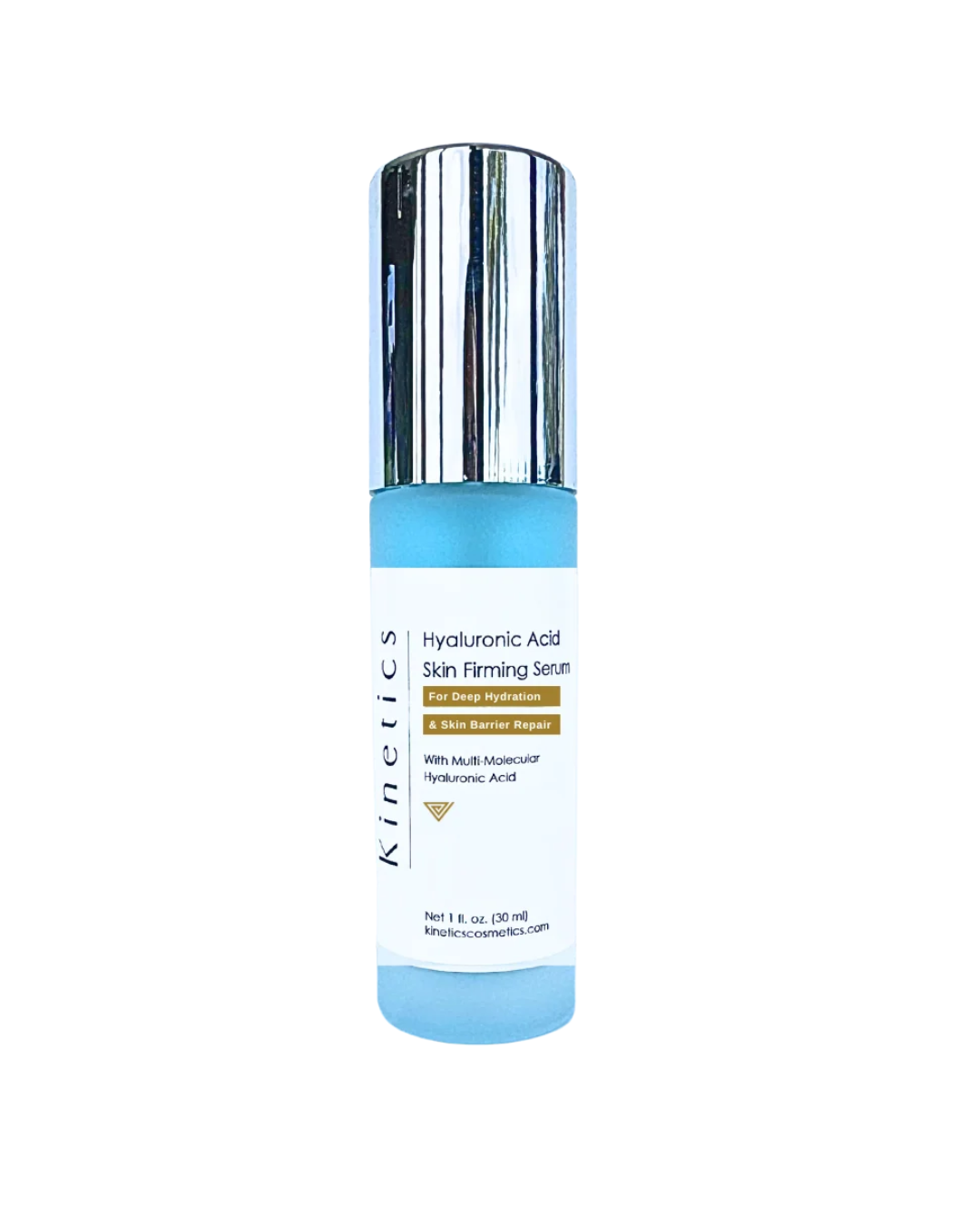
Hyaluronic Acid Firming Serum
$ 88.00
Hyaluronic Acid Firming Serum is a lightweight water serum made with fractionated hyaluronic acid, using sodium hyaluronate and hydrolyzed sodium hyaluronate in several molecule sizes. Hydration holds across the skin instead of sitting only on top, so skin looks plumper, feels smoother and looks less crepey. It is light enough for oily skin to wear.
Best for
- Dehydration
- Crepey-looking skin
- Rough texture
- Texture
- Lightweight water serum
- Type
- Fractionated hyaluronic acid, multiple molecule sizes
- When to use
- Morning and night
- Skin types
- Suits oily, combination and sensitive skin
- Free shipping on orders $150+
- Cruelty free, never tested on animals
- Secure checkout
How to use Hyaluronic Acid Firming Serum
- Step 1
Apply morning and night to clean, damp skin. Press two to three drops over the face and neck.
- Step 2
Follow with moisturizer while skin is still damp.
Key ingredients and benefits Hyaluronic Acid Firming Serum
- Sodium Hyaluronate
- The salt form of hyaluronic acid, a humectant that holds water so skin feels hydrated and looks plumper.
- Hydrolyzed Sodium Hyaluronate
- Smaller fragments that keep skin feeling hydrated for longer, so it does not feel tight a few hours later.
Common questions Hyaluronic Acid Firming Serum
Is it suitable for sensitive skin?
Yes, hyaluronic acid is one of the best tolerated ingredients in skincare. It holds water rather than exfoliating, so it does not sting the way an AHA or retinol can. If your skin reacts to most things, this is usually a safe place to start.
Is hyaluronic acid good for oily skin?
Yes, and oily skin often needs it. Skin that makes a lot of oil can still be short on water. The Hyaluronic Acid Firming Serum adds water without adding oil, which is what oily and combination skin usually wants.
Will it help crepey-looking skin?
It can soften the look. Crepey skin looks that way partly because it is dry, and dry skin shows fine texture more sharply. Well hydrated skin reflects light more evenly, so the crepey look softens.
Why apply it to damp skin?
Because it needs water to hold on to. On a dry face in dry air it has less to work with. Seal it with moisturizer right after so the hydration stays in your skin.


